What Happens During a Home Inspection? A Step-by-Step Guide for Homebuyers
Buying a home is a big step. One of the most important parts of the process is the home inspection. A home inspection helps you understand the true condition of the property before you buy. If you’ve never been through one, you may wonder what happens, how long it takes, and what inspectors look for.
This guide explains the home inspection process from start to finish, so you know exactly what to expect and how to prepare.
What Is a Home Inspection?
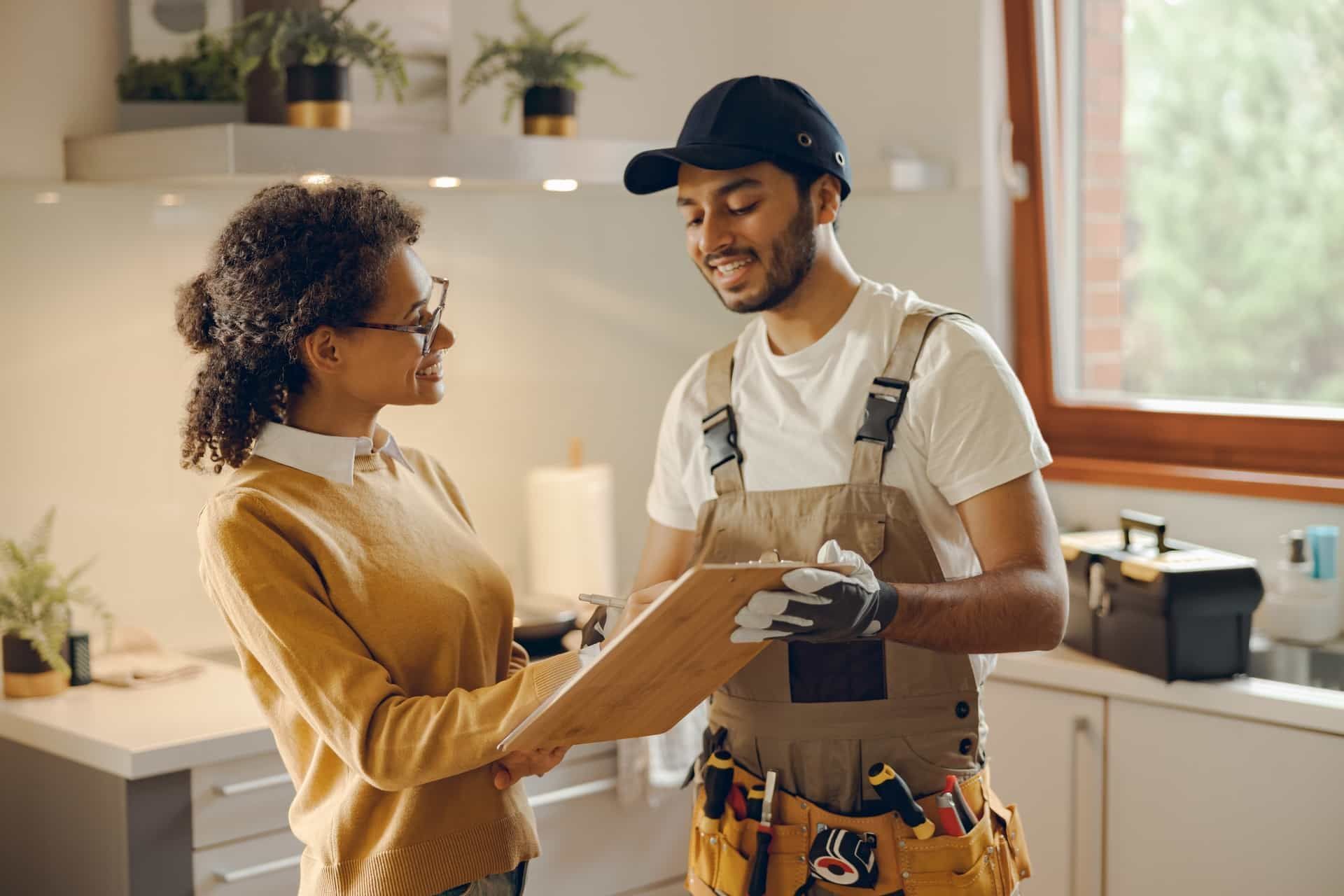
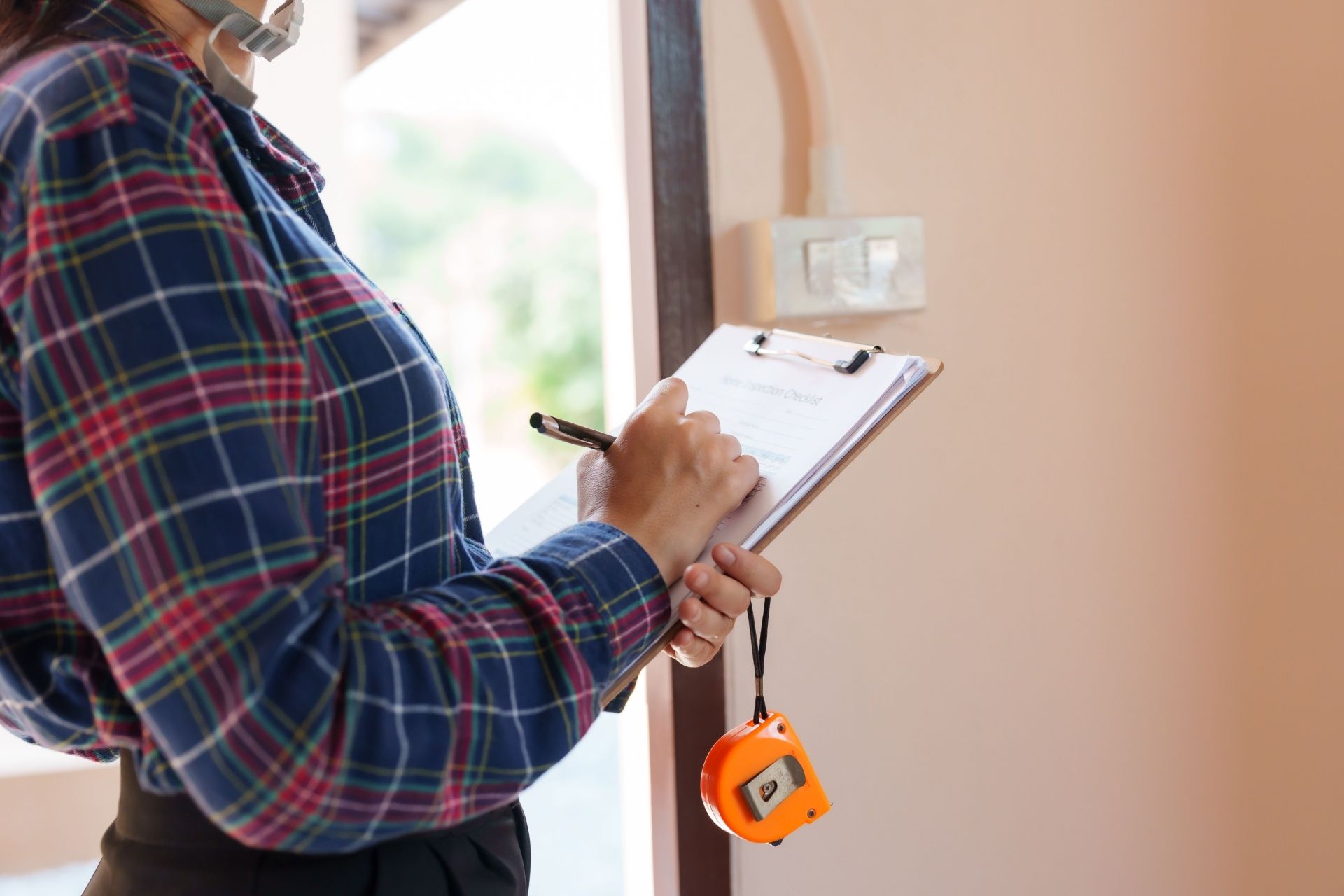
A home inspection is a visual review of a home’s main systems and structure. A licensed home inspector checks the condition of the property and looks for safety issues, damage, or needed repairs.
The inspection does not decide if you should buy the home. Instead, it gives you clear facts so you can make a smart decision.
Home inspections are usually done after your offer is accepted but before closing.
How Long Does a Home Inspection Take?
Most home inspections take 2 to 4 hours, depending on:
- The size of the home
- The age of the property
- The condition of visible systems
Larger or older homes may take longer. The inspector needs enough time to carefully check all accessible areas.
Should You Attend the Home Inspection?
Yes, attending the inspection is highly recommended.
Being present allows you to:
- See issues firsthand
- Ask questions during the inspection
- Learn basic home maintenance tips
The inspector can explain findings in simple terms, which helps you understand the final report better.
Step-by-Step Home Inspection Process
1. Exterior Inspection
The inspection usually starts outside the home. The inspector checks visible areas for damage, wear, or safety concerns.
This includes:
- Roof shingles, flashing, and gutters
- Siding, trim, and exterior walls
- Windows and doors
- Driveways, walkways, and grading
- Foundation exterior
- Decks, porches, and steps
Proper drainage and foundation condition are especially important, as water problems can lead to costly repairs.
2. Roof and Attic Evaluation
The roof protects the entire home, so it receives close attention.
The inspector looks for:
- Missing or damaged shingles
- Signs of leaks
- Proper ventilation
- Attic insulation
- Water stains or mold in the attic
Not all roofs are walked on, but inspectors use ladders, binoculars, or cameras when needed.
3. Structural Components
Next, the inspector checks the home’s structure to ensure it is stable and sound.
This includes:
- Foundation
- Beams and support columns
- Floors, walls, and ceilings
Cracks, uneven floors, or signs of settling are noted in the report.
4. Plumbing System Inspection
Plumbing problems can be expensive, so inspectors carefully examine this system.
They check:
- Visible pipes and fittings
- Water pressure
- Faucets and fixtures
- Toilets and drains
- Water heater
Leaks, corrosion, or poor water flow are documented.
5. Electrical System Review
Electrical safety is a major part of any home inspection.
The inspector examines:
- Main electrical panel
- Circuit breakers
- Outlets and switches
- Grounding and bonding
- Visible wiring
They also test a sample of outlets to ensure proper function and safety.
6. HVAC System Inspection
The heating and cooling system is tested when weather allows.
This includes:
- Furnace or heat pump
- Air conditioning unit
- Thermostat
- Visible ductwork
The inspector checks if the system is operating properly but does not perform repairs.
7. Interior Areas Inspection
Inside the home, the inspector reviews all accessible rooms.
They check:
- Walls, ceilings, and floors
- Windows and doors
- Stairs and railings
- Cabinets and countertops
Signs of water damage, cracks, or poor workmanship are noted.
8. Kitchen and Appliances
The kitchen is inspected for safety and function.
The inspector typically checks:
- Built-in appliances (if included in the sale)
- Sink and plumbing
- Electrical outlets
- Ventilation
Appliances are tested using normal controls.
9. Bathrooms and Laundry Areas
Bathrooms are common areas for moisture problems.
The inspector checks:
- Toilets, sinks, and tubs
- Ventilation fans
- Water pressure
- Signs of leaks or mold
Laundry areas are also reviewed for plumbing and electrical safety.
What Home Inspectors Do NOT Check
It’s important to understand the limits of a home inspection.
Most inspections do not include:
- Cosmetic issues (paint color, décor)
- Underground plumbing
- Inside walls or ceilings
- Swimming pools (unless added separately)
- Pest, radon, or mold testing (unless requested)
Ask your inspector about optional services if you need additional testing.
The Home Inspection Report
After the inspection, you receive a detailed written report, usually within 24 to 48 hours.
The report includes:
- Written descriptions of findings
- Photos of issues
- Safety concerns
- Maintenance tips
The report helps buyers decide whether to:
- Move forward with the purchase
- Request repairs
- Ask for a price adjustment
Common Home Inspection Myths
Myth 1: New Homes Don’t Need Inspections
Even new homes can have construction defects or safety issues.
Myth 2: Inspectors Find Every Problem
Inspectors find visible issues, not hidden ones behind walls.
Myth 3: A Bad Inspection Means You Should Walk Away
Most homes have issues. The report helps you understand what’s normal and what’s serious.
How to Prepare for a Home Inspection
If you are the buyer:
- Be on time
- Ask questions
- Bring a notepad
If you are the seller:
- Ensure utilities are on
- Clear access to attic, electrical panel, and crawl spaces
- Replace burned-out light bulbs
Preparation helps the inspection go smoothly.
Why a Professional Home Inspection Matters
A professional home inspection protects your investment. It gives peace of mind, helps avoid surprises, and provides a clear picture of the home’s condition.
For buyers, it’s one of the smartest steps in the home-buying process.
Schedule your professional home inspection with Kelly Home Inspections today and move forward with confidence.
Frequently Asked Questions (FAQs)
How much does a home inspection cost?
Costs vary by location and home size.
Can a home fail a home inspection?
No. Homes do not pass or fail. The inspector reports findings so you can decide what to do next.
Should I walk away if problems are found?
Not always. Many issues can be repaired or negotiated with the seller.
Do inspectors fix problems?
No. Inspectors are neutral third parties and do not perform repairs.
Is a home inspection required?
It’s not always required by law, but it is strongly recommended for buyers.
Disclaimer: The information on this website and blog is for general informational purposes only and is not professional advice. We make no guarantees of accuracy or completeness. We disclaim all liability for errors, omissions, or reliance on this content. Always consult a qualified professional for specific guidance.
Search Blog
Recent Posts