Smart Home Maintenance Tips to Keep Your Home Ready for Sale or Long-Term Care
Keeping your home in good shape is important whether you plan to sell soon or want to protect your investment for years to come. Regular home maintenance helps prevent costly repairs, improves safety, and makes your home more attractive to buyers. A well-maintained home also performs better during a professional home inspection.
In this guide, we’ll share simple and practical home maintenance advice that helps homeowners prepare their property for sale or keep it in excellent condition year-round.
Why Home Maintenance Matters
Home maintenance is more than fixing things when they break. It’s about spotting small problems early and taking care of them before they turn into major issues.
Proper maintenance helps:
- Increase home value
- Avoid surprise repair costs
- Improve energy efficiency
- Create a safer living space
- Make inspections smoother when selling
For homeowners planning to sell, good upkeep can make a strong first impression and help avoid delays during negotiations.
Exterior Maintenance: Start with Curb Appeal
The outside of your home is the first thing people notice. Buyers often decide how they feel about a house within seconds of pulling into the driveway.
Inspect the Roof and Gutters
Check your roof for missing, cracked, or curling shingles. Clean gutters and downspouts so water can flow away from the foundation. Clogged gutters can lead to water damage, mold, and foundation issues.
Examine Siding and Paint
Look for peeling paint, cracks, or damaged siding. A fresh coat of paint or simple repairs can instantly improve curb appeal and protect your home from moisture damage.
Maintain Driveways and Walkways
Fix cracks in concrete or asphalt. Uneven walkways can be a safety hazard and a red flag during a home inspection.
Interior Maintenance: Focus on Function and Cleanliness
A clean and well-maintained interior shows buyers and inspectors that the home has been cared for.
Check Walls, Ceilings, and Floors
Repair nail holes, cracks, or water stains. Water marks can raise concerns about leaks or past damage. Replace worn carpet or refinish scratched floors if needed.
Doors and Windows
Make sure doors and windows open, close, and lock properly. Repair broken seals, damaged screens, or cracked glass. Properly working windows improve energy efficiency and comfort.
Lighting and Electrical Fixtures
Replace burnt-out bulbs and ensure light switches and outlets work correctly. Flickering lights or loose outlets can suggest electrical issues.
HVAC System: Keep Comfort Systems Running Smoothly
Heating and cooling systems are a big concern for buyers and inspectors.
Change Air Filters Regularly
Dirty filters reduce airflow and make systems work harder. Replace filters every 1–3 months.
Schedule Annual Maintenance
Have a professional service your HVAC system at least once a year. This helps catch problems early and improves system lifespan.
Check Vents and Thermostats
Make sure vents are clean and unblocked. Test thermostats to ensure accurate temperature control.
Plumbing Maintenance: Prevent Leaks and Water Damage
Plumbing issues are common findings during home inspections.
Look for Leaks
Check under sinks, around toilets, and near water heaters for signs of leaks. Even small drips can cause damage over time.
Test Water Pressure
Low water pressure could point to pipe problems or mineral buildup. High pressure can damage pipes and fixtures.
Inspect Water Heater
Look for rust, corrosion, or pooling water around the unit. Make sure the temperature is set safely.
Kitchen Maintenance: A Key Selling Point
The kitchen is often one of the most important rooms for buyers.
Check Appliances
Make sure appliances work properly and are clean. Fix or replace broken handles, knobs, or seals.
Inspect Cabinets and Countertops
Tighten loose cabinet doors and repair damaged surfaces. Small updates can make the kitchen feel newer and more inviting.
Plumbing and Disposal
Check under sinks for leaks and ensure garbage disposals operate smoothly without strange noises.
Bathroom Maintenance: Keep It Clean and Dry
Bathrooms should feel fresh, safe, and functional.
Prevent Moisture Problems
Make sure exhaust fans work properly to reduce humidity. Moisture can lead to mold and mildew.
Fix Fixtures
Repair dripping faucets, loose showerheads, and running toilets. These small issues can leave a negative impression during an inspection.
Reseal When Needed
Re-caulk tubs, showers, and sinks to prevent water damage behind walls and floors.
Safety and Structural Checks
Safety issues can delay a home sale or require repairs after inspection.
Smoke and Carbon Monoxide Detectors
Test all detectors and replace batteries as needed. Install them where required by local codes.
Railings and Stairs
Make sure stair railings are secure and steps are in good condition. Loose railings are a common inspection concern.
Foundation and Attic
Look for cracks in the foundation and signs of moisture in the attic. Proper insulation and ventilation are also important.
Seasonal Maintenance Checklist
Staying on top of seasonal tasks makes upkeep easier.
Spring & Summer
- Clean gutters
- Service HVAC
- Inspect roof and siding
- Seal windows and doors
Fall & Winter
- Test heating system
- Drain outdoor hoses
- Check insulation
- Inspect chimney if applicable
Why a Pre-Listing or Routine Home Inspection Helps
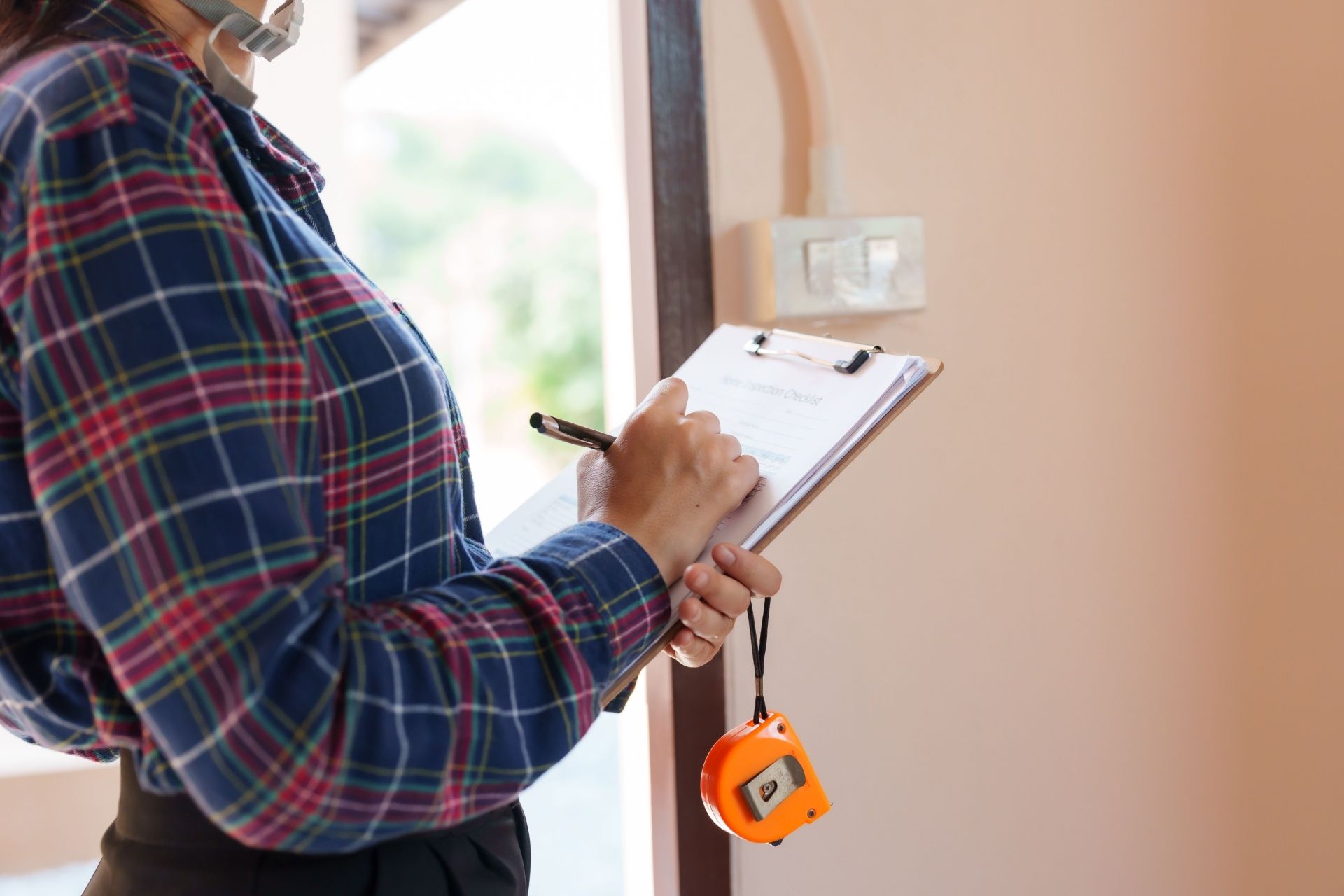
Even with good maintenance, some issues are easy to miss. A professional home inspection provides a detailed look at your home’s condition.
For sellers, a pre-listing inspection helps identify repairs before buyers find them. For homeowners, routine inspections support long-term upkeep and peace of mind.
Kelly Home Inspections helps homeowners understand their property and plan maintenance with confidence.
Schedule a professional home inspection with Kelly Home Inspections today to protect your home’s value and prepare with confidence.
Frequently Asked Questions (FAQs)
How often should I perform home maintenance?
Basic maintenance should be done seasonally, while major systems like HVAC, plumbing, and roofing should be checked annually.
What home repairs matter most when selling?
Roof condition, HVAC performance, plumbing leaks, electrical safety, and overall cleanliness matter most to buyers and inspectors.
Should I fix everything before listing my home?
Focus on safety issues, visible damage, and major systems. A home inspection can help prioritize repairs.
Does regular maintenance affect home inspection results?
Yes. Well-maintained homes often have fewer inspection findings and smoother transactions.
Can a home inspection help with long-term upkeep?
Absolutely. Inspections highlight current issues and provide guidance for future maintenance planning.
Disclaimer: The information on this website and blog is for general informational purposes only and is not professional advice. We make no guarantees of accuracy or completeness. We disclaim all liability for errors, omissions, or reliance on this content. Always consult a qualified professional for specific guidance.
Search Blog
Recent Posts