
What is Radon ?
Radon is a cancer-causing, radioactive gas.
View a sample of our professional reporting style that are fully compliant with North Carolina standards. Our reports provide you with a clear understanding of the condition of your new or current home. Our reports include photographs and complete statements that contain defect descriptions, defect determinations, implications of concern, and a clear direction for your next course of action.
Is there Radon in your Home?
Testing is the only way to know if you and your family are at risk from radon. EPA and the Surgeon General recommend testing all homes below the third floor for radon. Testing is inexpensive and easy—it should only take a few minutes of your time.
How Does Radon Enter a Home?
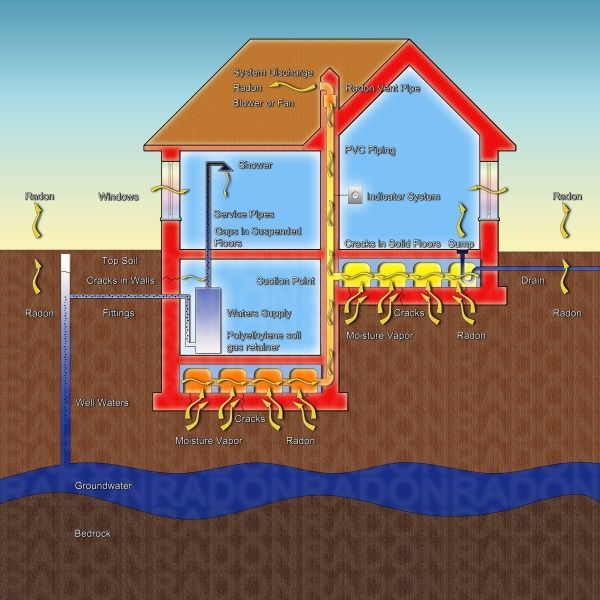
Radon typically moves up through the ground to the air above and into your home through cracks and other holes in the foundation. Your home traps radon inside, where it can build up. Any home may have a radon problem. This means new and old homes, well-sealed and drafty homes, and homes with or without basements.
Is there Radon in North Carolina?
Radon can be found in most regions of North Carolina. Radon comes from the natural (radioactive) breakdown of uranium in soil, rock and water and gets into the air you breathe. Radon gas has been found in high levels in all types of homes; homes with slab foundations, homes with crawl space foundations and homes with basements. You and your family are most likely to get your greatest exposure at home, where you spend most of your time.
There are Two General Ways to Test for Radon:
SHORT-TERM TESTING:
The quickest way to test is with a 48 hours short-term test. Your questions about the safety of the air in your home related to Radon gas could be answers in as little as 2 days. Our company test using an electronic state of the art continuous monitor.
LONG-TERM TESTING:
Once we are confident that the Radon levels are within a safe level using a short term test you may want to consider a Long-term test. The long-term test remains in your home for more than 90 days. A long-term test will give you a reading of your home’s year-round average radon level and let us know if seasonal changes result in a variance in the Radon levels.